
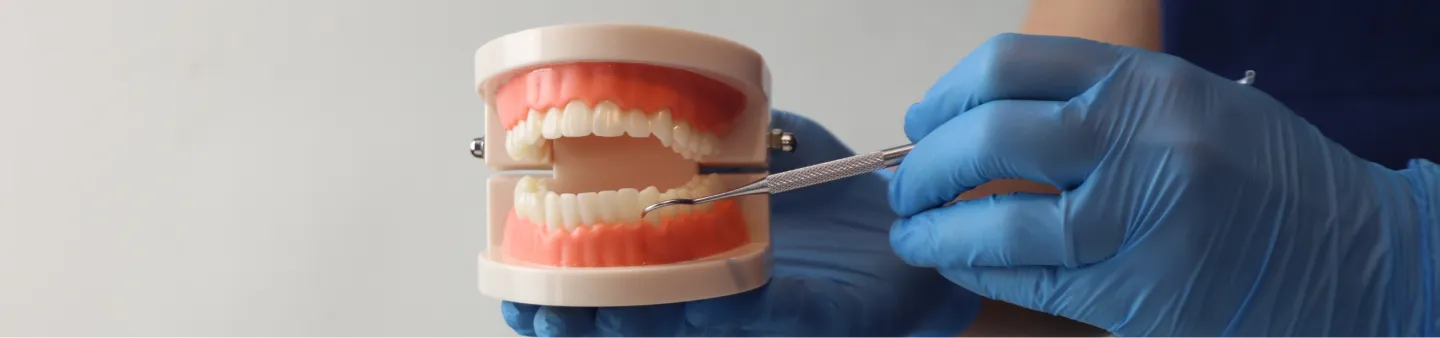
Tooth extractions in North Haledon, New Jersey, at Parkview Dental & Prosthodontics are performed to remove teeth that are too damaged, infected, or impacted to be saved. This educational guide outlines when an extraction is recommended, the difference between simple and surgical extraction, how the procedure works, healing timelines, and how to lower risks such as dry socket. Patients can use this page to prepare for a visit and feel confident about each step of care.
Tooth Extractions Explained
A tooth extraction is the removal of a tooth from its socket in the jawbone. Dentists may recommend extractions for several reasons: severe decay that compromises the structure of the tooth, a deep crack or fracture, advanced periodontal disease, a failed root canal, or an abscess that does not respond to other treatment. Wisdom teeth removal is common when third molars are impacted, at risk of infection, or likely to damage neighboring teeth. Extractions may also be advised to relieve crowding before orthodontic treatment or to prepare for dentures or dental implants.
How Tooth Removal Can Help
Quality care tailored to your needs.
- Relieves pain from severe decay, infection, or impaction.
- Prevents the spread of infection to adjacent teeth and bone.
- Protects gums and supports long-term oral health.
- Creates space needed for orthodontic alignment when crowding exists.
- Prepares the mouth for restorations such as implants or bridges.
- Reduces recurrent inflammation caused by problem wisdom teeth.
Have Questions? We're Here to Help.
Our team is happy to discuss your options and create a plan tailored to your needs.
How Tooth Extractions Work
The visit begins with a clinical exam and dental X-rays to evaluate the tooth roots and surrounding bone. Local anesthesia is used to numb the area, and sedation options can be discussed for anxiety management. A simple extraction is performed when the tooth is visible and mobile; gentle instruments are used to loosen the ligament and lift the tooth from the socket. A surgical extraction is needed when a tooth is broken at the gumline or impacted; a small incision may be made, and bone may be reshaped or the tooth sectioned for safe removal.
After the tooth is removed, the site is cleaned, and stitches may be placed if necessary. You will bite on gauze to help form a blood clot, which is essential for healing and dry socket prevention. Detailed instructions are provided before you leave the office.
What to Expect
Plan to rest the day of your procedure. Keep firm pressure on the gauze for the first 30 to 60 minutes, then replace as directed. Use prescribed or over-the-counter pain relievers as recommended. Apply a cold compress in short intervals to manage swelling during the first 24 hours.
For the first 24 hours, avoid vigorous rinsing, spitting, or using straws. Do not smoke or vape for at least 72 hours, as this raises the risk of dry socket. Eat soft, cool foods such as yogurt, smoothies by spoon, eggs, and soups once numbness subsides. After 24 hours, begin gentle warm saltwater rinses to keep the area clean. Most patients feel much better within two to three days after a simple extraction. Surgical extractions, including wisdom teeth removal, can take about a week for the majority of tenderness and swelling to resolve.
Frequently Asked Questions About Tooth Extractions
Extraction is considered when a tooth cannot be restored with a filling, crown, or root canal, or when gum disease or impaction makes preservation unsafe. It may also be recommended to create space for orthodontic treatment or to stop an infection that has not improved with other care.
A simple extraction removes a visible tooth with minimal instrumentation. A surgical extraction addresses teeth that are impacted, broken at the gumline, or anchored in dense bone. It may involve a small incision, bone reshaping, or sectioning the tooth into pieces for safe removal.
Local anesthesia numbs the area so you should feel pressure, not sharp pain. Mild to moderate soreness afterward is normal and usually managed with cold compresses and recommended pain relievers. Sedation options can be discussed if you feel anxious.
Protect the blood clot by avoiding straws, smoking, vigorous rinsing, and spitting for the first 24 to 72 hours. Keep pressure on gauze as directed, maintain gentle oral hygiene, and start warm saltwater rinses after the first day. Report new or worsening pain that radiates to the ear or jaw.
Most people return to normal activities within 24 to 48 hours after a simple extraction, while surgical sites may need several days longer. Gums usually close over in about two weeks, with complete bone healing taking several months.
Replacement options include dental implants, fixed bridges, and removable partial dentures. The right choice depends on bone health, location of the missing tooth, and your goals for function and appearance. For questions about tooth extraction in North Haledon, NJ, or to schedule an evaluation with Dr. Sebu Idiculla or Dr. Lori M. Nasif at Parkview Dental & Prosthodontics, call 973-423-3399.
Take the Next Step Toward a Healthier Smile
Contact Parkview Dental & Prosthodontics today. Our team looks forward to helping you achieve the smile you deserve.